



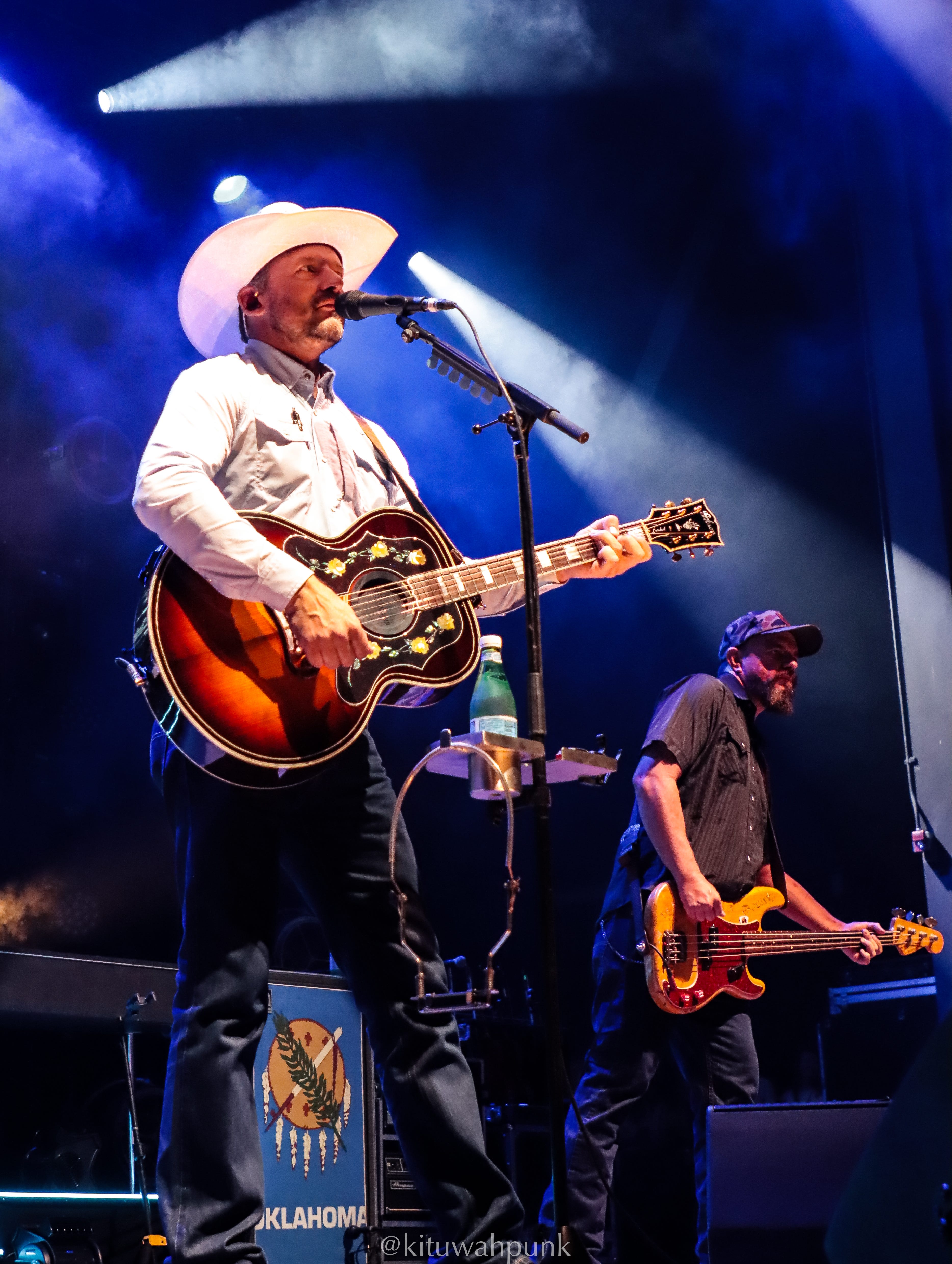
ROGERS, Ark. — I’d never heard a Turnpike Troubadours song before July of 2025.
I told almost no one. My wife knew. Ken Pomeroy knew. Chris Augerhole knew. My baby brother, Travis Sawney, knew. That was the list, and it held for a year. There didn’t seem to be a reason to bring it up. A concert review is supposed to be about the band, not about me.
Some songs haunt you. Not because anything supernatural happens — because they refuse to leave the room where you first heard them. That’s what happened to me in a hundred-seat theater in downtown Okemah, Oklahoma, during the town’s annual Woody Guthrie Folk Festival, watching Evan Felker and Hayes Carll trade verses with one voice and one guitar. I thought I’d left it there. A year later it found me again in Rogers.
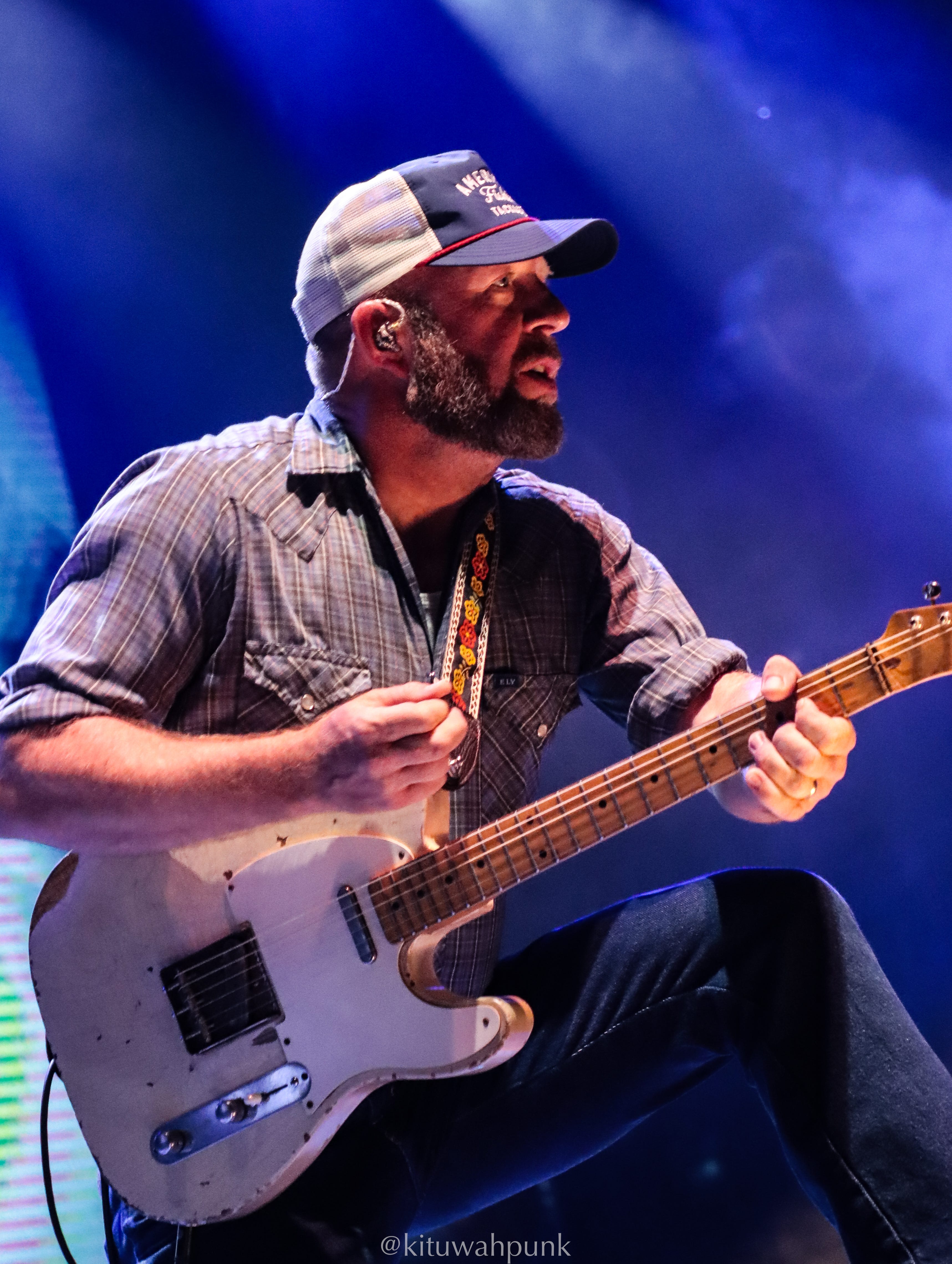
Turnpike’s catalog runs on the same handful of names and places, over and over: Lorrie, the Bird Hunters, Cherokee County. Fans know them before the first chord, the way people know the start of a story they’ve heard since they were kids. Lance Roark opened the show — the same Lance who once played a solo set at a dinner for me, guitar and nothing else. Watching him reminded me of the room where I’d first heard these songs. Waylon Wyatt, 19, followed him, and neither one needed an introduction to most of that crowd. The man in the box — Chris Augerhole — found a spot off stage right before the opener even finished tuning. The opposite side, the band’s wives took their usual stances. Around here, that’s normal. People in Tahlequah have watched RC Edwards eat lunch or make a stop on the square. Before the first chord, somebody in that crowd had shared a meal with this band, gone to school with them, or bumped into them downtown on some ordinary Saturday, and that’s the thing about a band like this: half the amphitheater already had a claim on them before the house lights went down.
“The Bird Hunters” opened the set and named Cherokee County outright, and 20,000 people sang the county’s name back before the first chorus finished. “Gin, Smoke, Lies” and “Kansas City Southern” followed before the crowd had settled into its seats. By the time “Good Lord Lorrie” came around, I understood I hadn’t been haunted by a song. I’d been haunted by a room full of people who had been carrying that same story long before I picked it up, and the harmony on that chorus came from half the amphitheater, not just the stage.
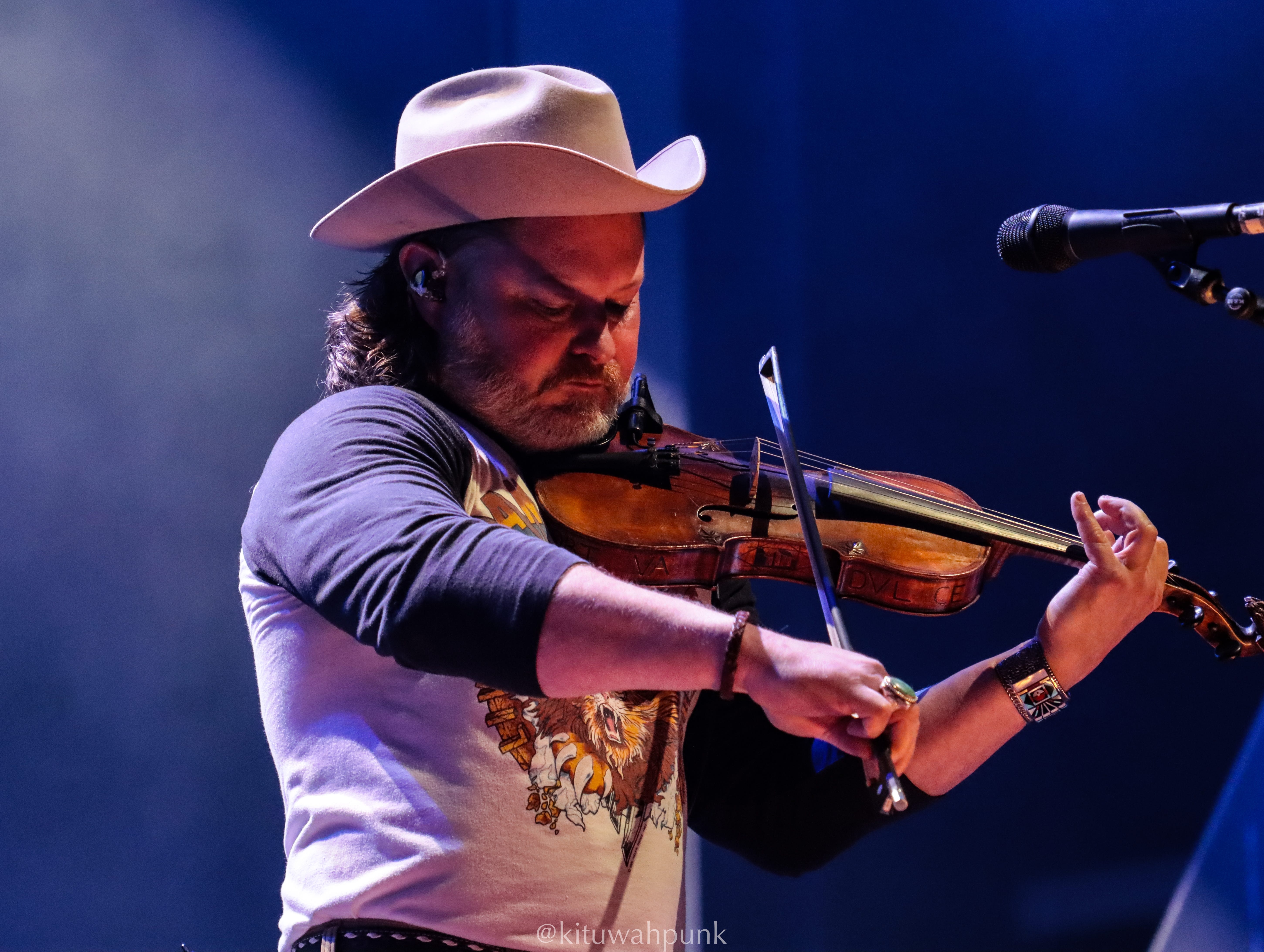
A fan near me wore a Sequoyah Indians T-shirt. A carload of friends from Stilwell, Oklahoma, sang like they’d just been handed a half day off with pay after a week working the river. Plenty of people around me had made the drive from northeast Arkansas or down from Tahlequah. Nobody around me was watching strangers. The people I knew in that crowd didn’t call it admiration. Around here, they just say it’s our band.
The tour moves on. Indianapolis is next, and I won’t be there. But I’ve watched this band’s rise over the last few years, from small clubs to sold-out amphitheaters. Is it country? Red dirt? Southern rock? None of those labels quite fit. Around here, it’s home.
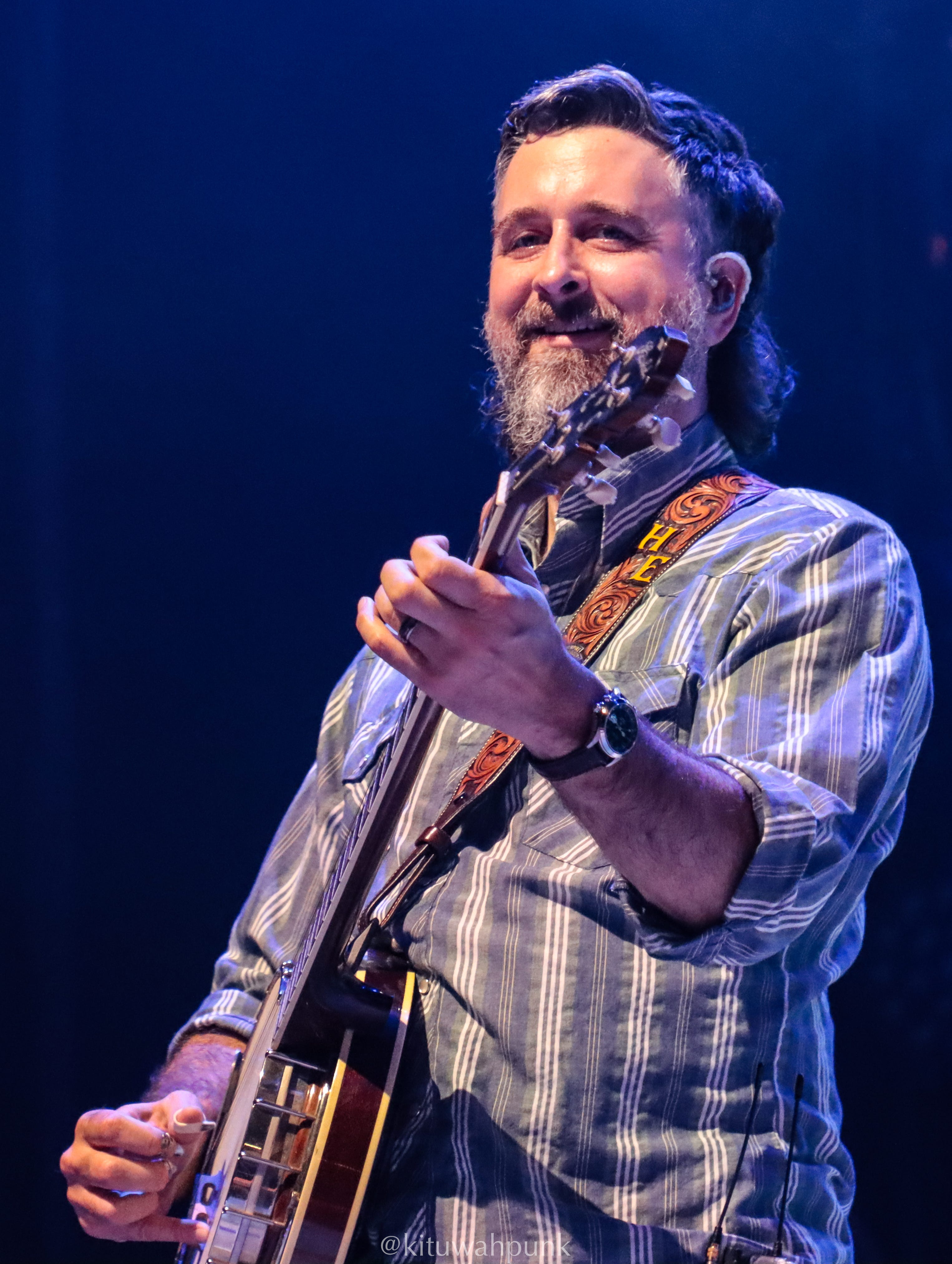
I’ve called this a haunting for a year, though that was never quite the right word. It wasn’t a ghost. It was inheritance. Twenty thousand people in Rogers had been singing those same words long before I ever heard them.
That’s what changed between Okemah and Rogers.
Not the songs.
Me.
Author: Troy Littledeer is an award-winning Indigenous journalist, photographer and member of the United Keetoowah Band of Cherokee Indians in Oklahoma. He has spent more than two decades covering tribal governments, Indigenous communities, education, sports and rural Oklahoma. His reporting has appeared in the Cherokee Phoenix, Osage News, NDNSports.com and other publications.
Littledeer received the 2025 Tim Giago Free Press Award from the Indigenous Journalists Association for his work defending press freedom in tribal media. His journalism focuses on government accountability, tribal sovereignty and the people whose lives are shaped by public policy. He is the founder and publisher of Kituwah Press.
He and his wife have two sons. Away from the newsroom, Littledeer is an avid fan of science fiction, Marvel, sports, the WNBA and women’s basketball. He enjoys exploring the stories where culture, community and competition intersect.